
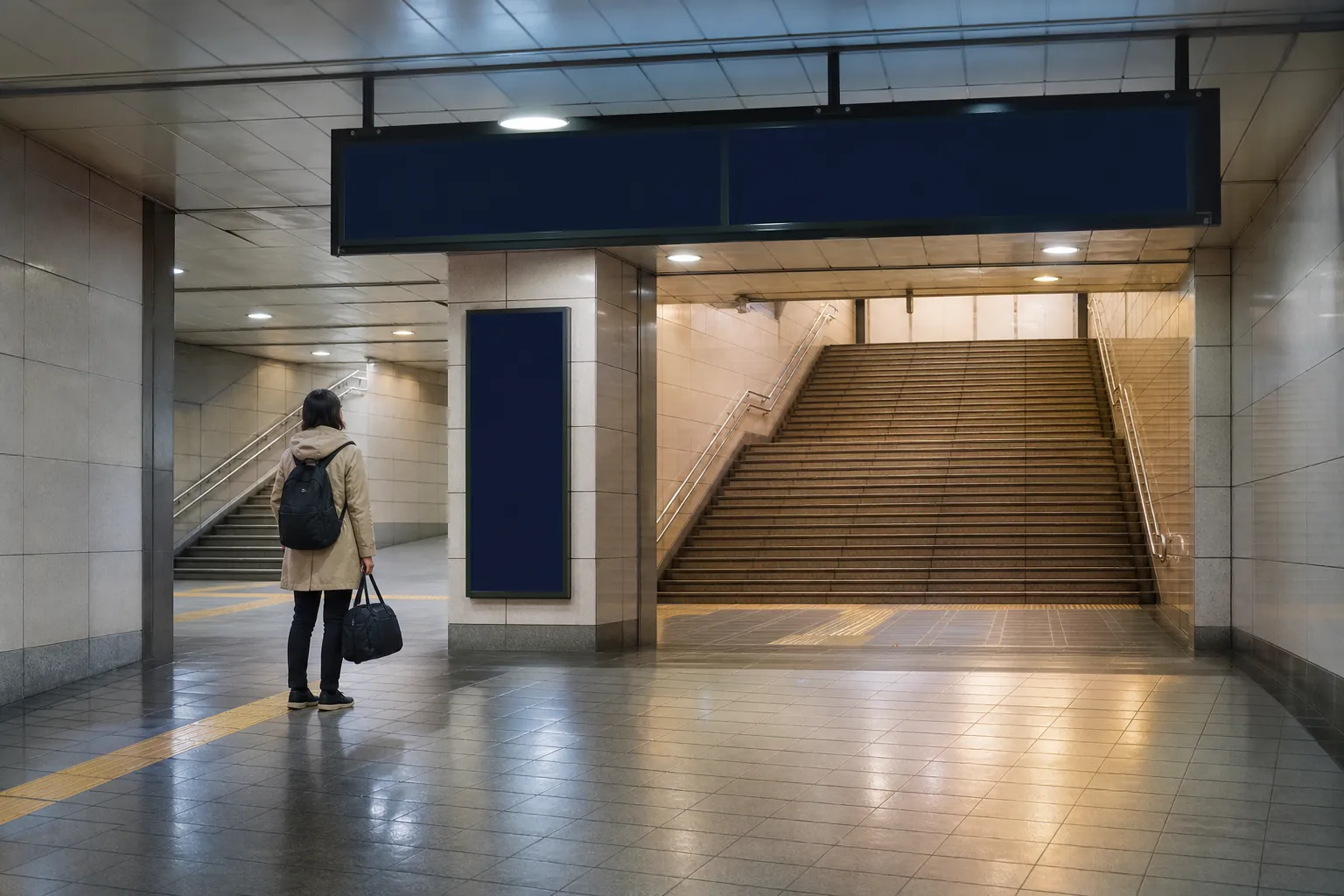
Planning Your First Transfer Without Rushing
Why a connection that looks short on a diagram often takes longer than the ride that got you there, and how to plan one change that leaves time to read the signs while standing still.
Read Article
Short articles on the habits that maps leave out: fare checks, working doors, watching your stop, and transfers that do not require a sprint.
Each piece is written from rides we took and reviewed against the same desk standards as our consultations. Read one before a first boarding, or send us your days if you need a sequence written for your own lines.
Latest materials
Newest notes appear first. Authors match the team on the home page. Reading times are estimates for a calm pass, not a skim.
Why a connection that looks short on a diagram often takes longer than the ride that got you there, and how to plan one change that leaves time to read the signs while standing still.
Read Article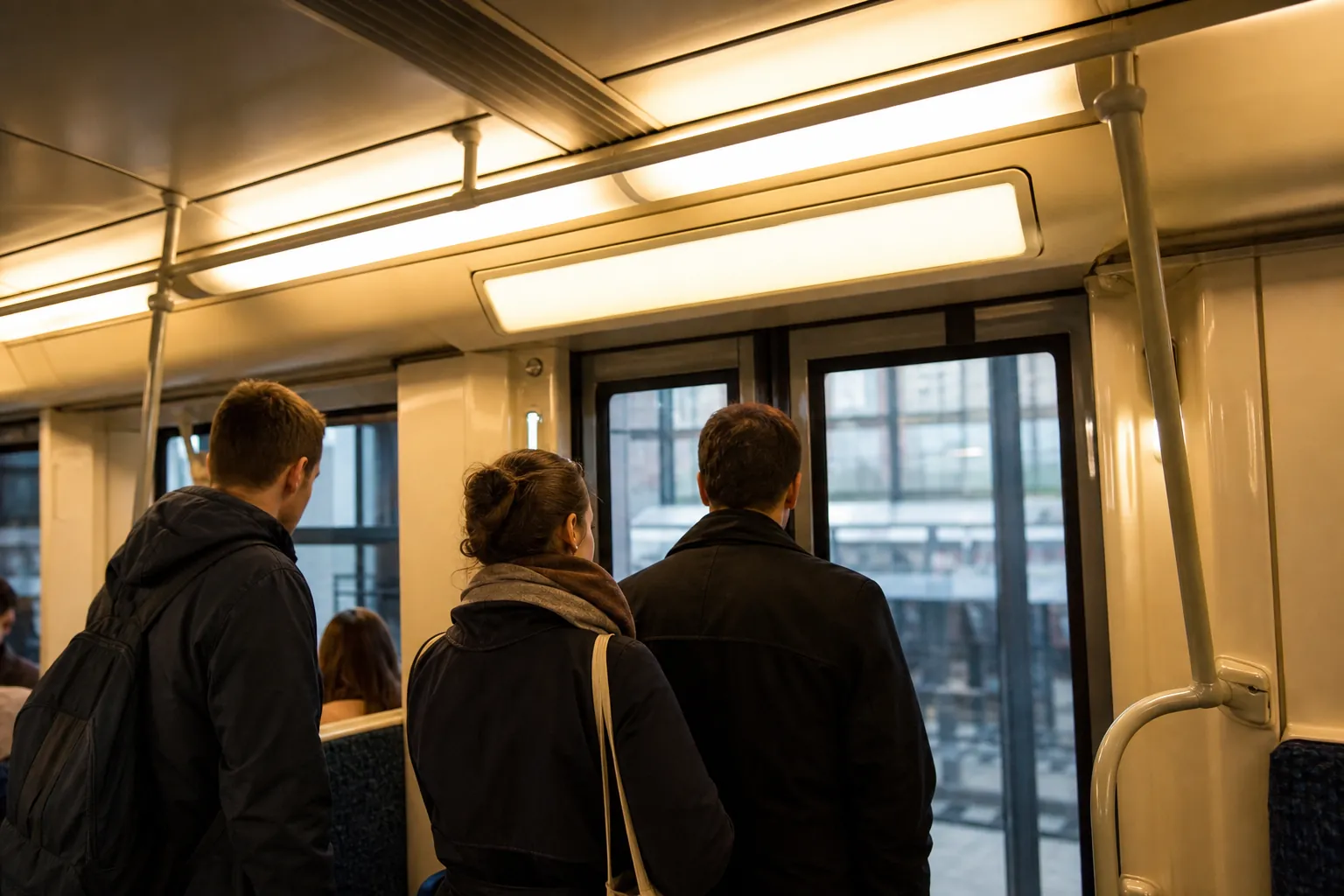
What to do when the speaker clips every name, why a phone alarm will not open a closed door, and how counting stops keeps a first ride from ending two halls too late.
Read Article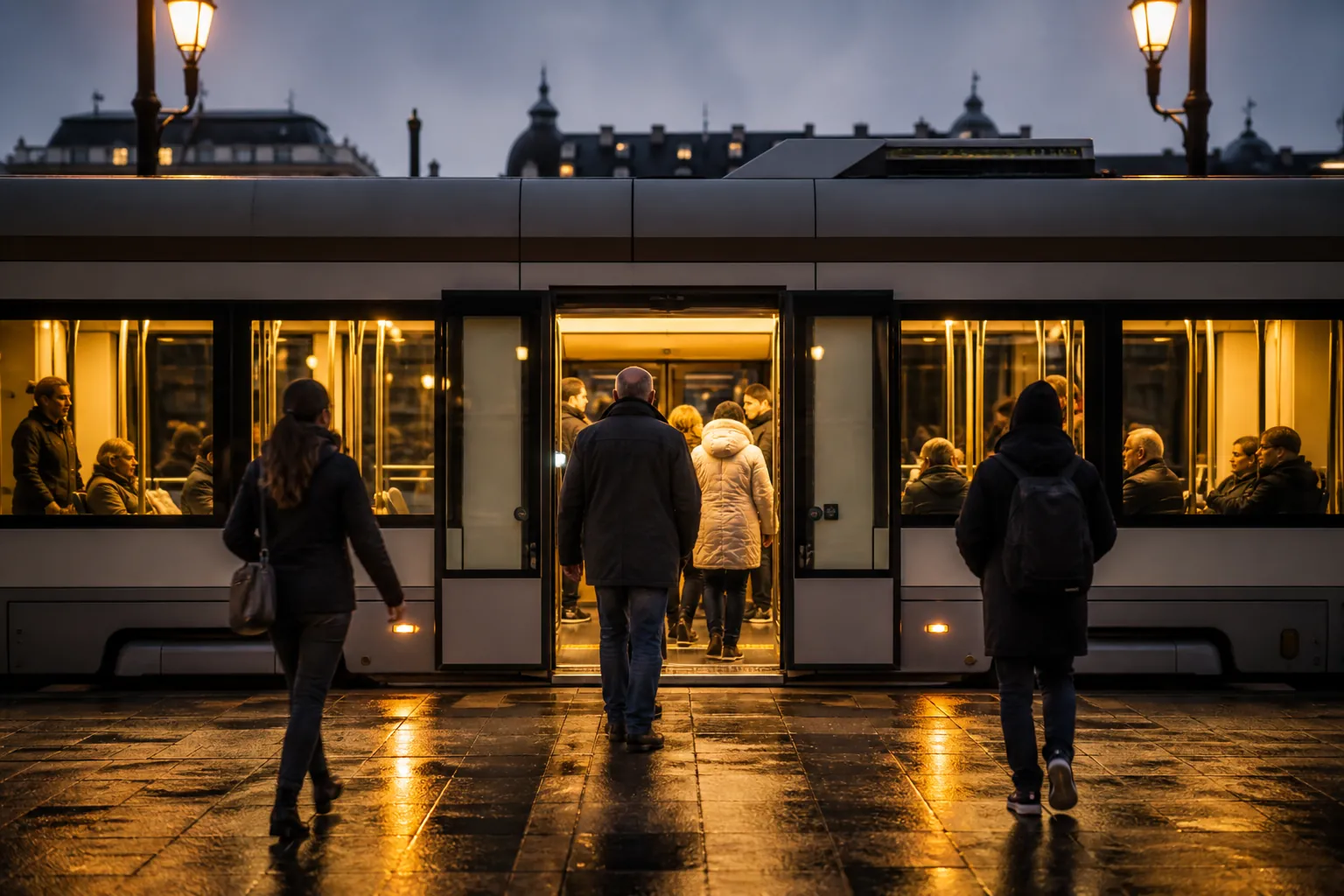
How boarding and leaving doors differ between modes, why lingering in the leaf blocks a full car, and what to mark before the chime instead of after you are already on the step.
Read Article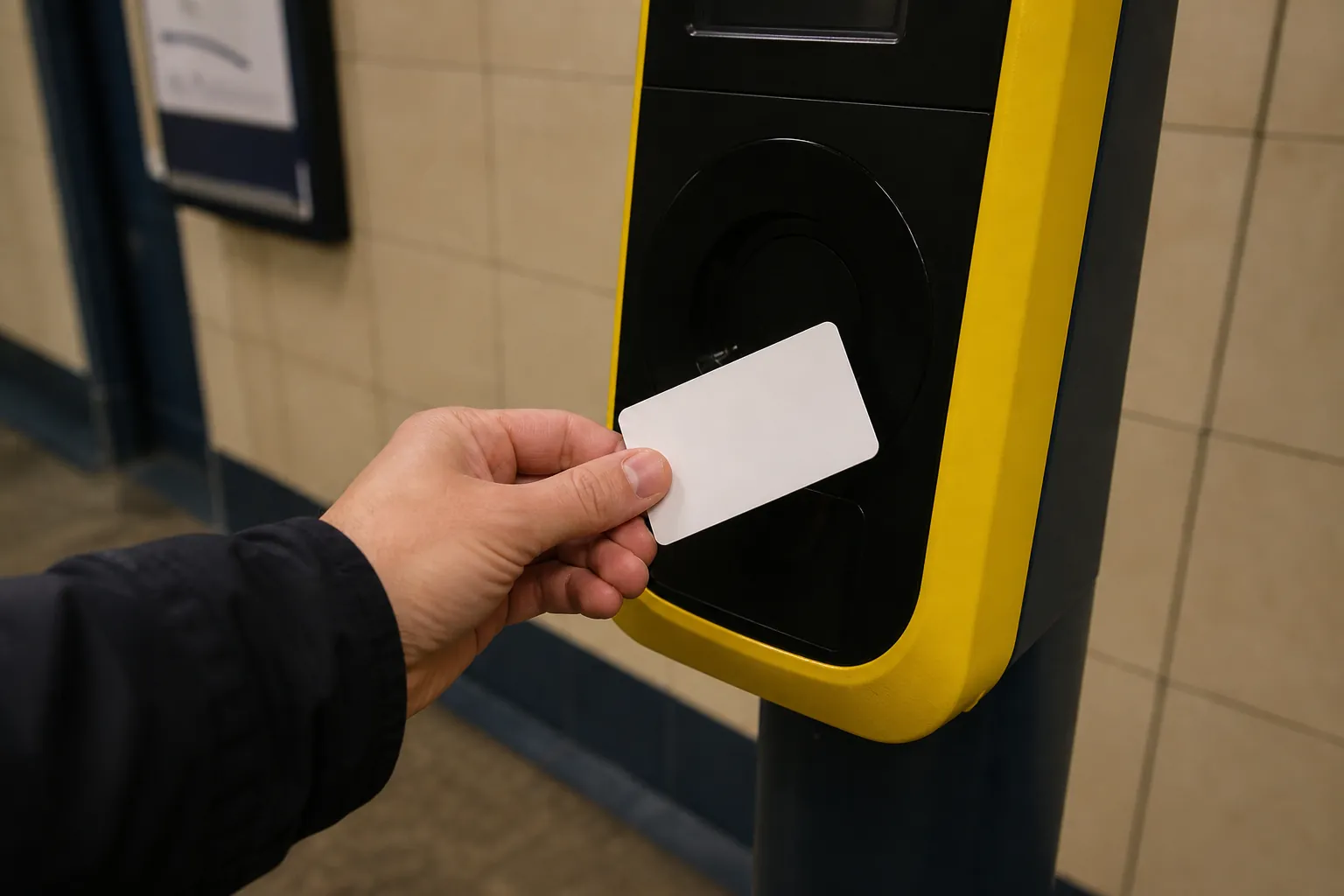
Where proof of fare is bought, tapped, or shown before your foot hits the step, and what to do when the machine on the platform is out of paper on the morning you ride.
Read ArticleIf an article answers part of your question and you still need a first-ride checklist for the corridors you will use, send the outline of your days. We prepare consultations. We do not sell passes.
Learn how we collect ride notes, review them with partner workshops, and turn a first question into a usable boarding sequence.
desmognath provides knowledge about city buses, trams, metro lines, and light rail as part of trip preparation. The pages describe sequences we have observed and briefings we offer as consultations. They are written so you can understand how a vehicle is used, not so the site can stand in for local staff, operators, or a person standing beside you on the platform.
Schedules, door rules, fare checks, and platform layouts change between visits. A validator that worked last season may be moved. A door that opened on every car may lock during a short stop. Confirm details again with the operator and with notices on site before you ride. Do not treat a page on this site as a live instruction for the hour you step on.
Decisions about routes, timing, luggage, and whether to ride at all remain yours. If a plan depends on a tight connection, on travelling with a child, or on carrying more than you can hold while standing, sit with that risk before you leave. We can help you write a calmer sequence. We cannot take the ride for you.
This is a travel resource. It does not offer medical advice. Questions about comfort, motion, fatigue, or physical strain belong with qualified specialists, not with a page about boarding order. We do not claim that riding a bus, tram, or metro improves health, mood, or fitness.