Fare Before Boarding: What to Check
Most systems want proof of fare before your foot hits the step. Find the machine, gate, or validator first, finish the tap or stamp, then board with the proof ready to show.
Most systems want proof of fare before your foot hits the step. Inspectors rarely wait while you rummage after the doors have shut. The hard part for a visitor is not the price of a pass. It is knowing where the check happens: on a platform pole, at a gate, at the front leaf, or on a validator inside the first meter of the aisle.
This guide walks through what to check before boarding. It is written for a first ride on bus, tram, metro, or light rail. It does not sell tickets. It explains how to arrive at the door with fare already settled so the car can leave without waiting on you.
Where the check usually sits
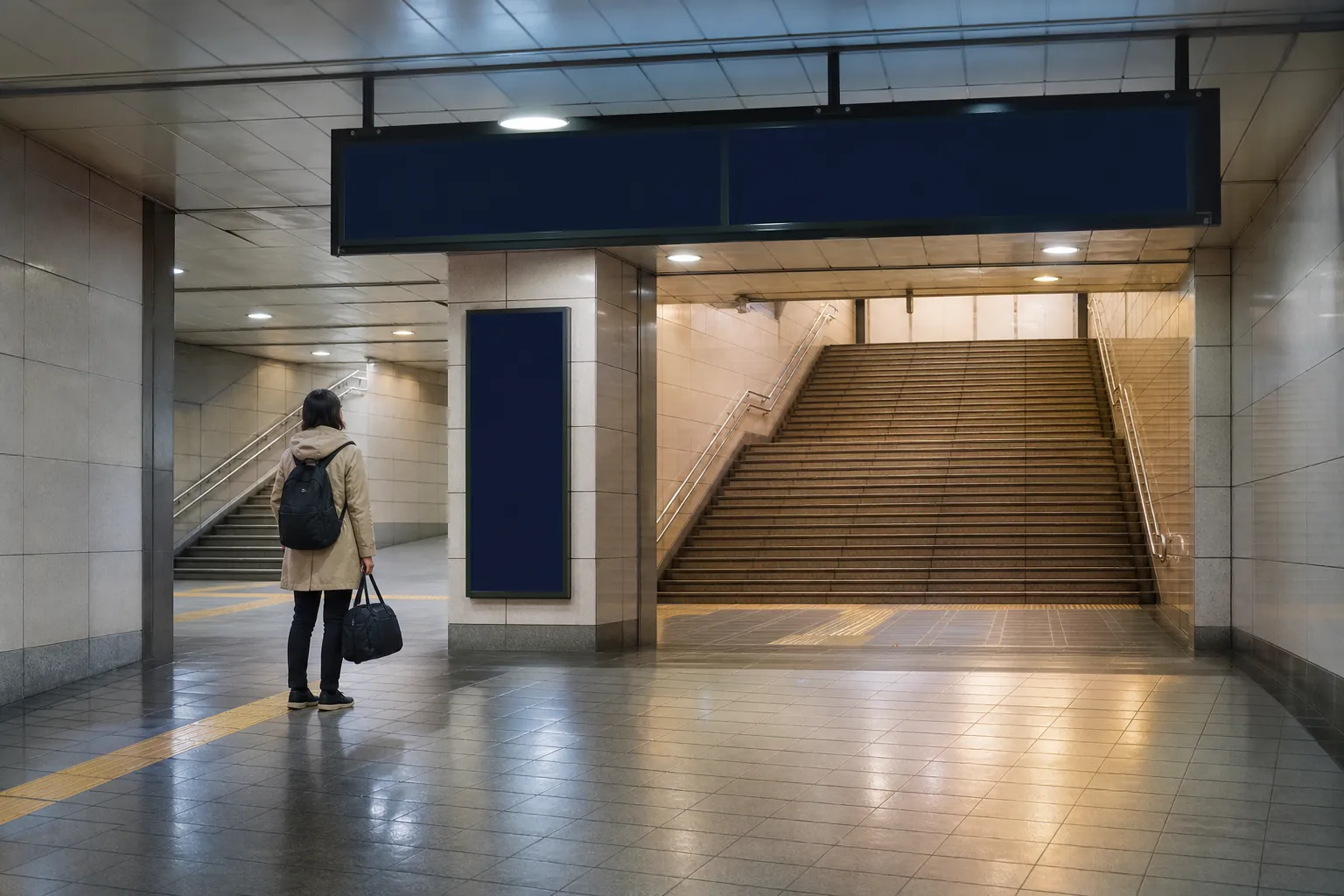
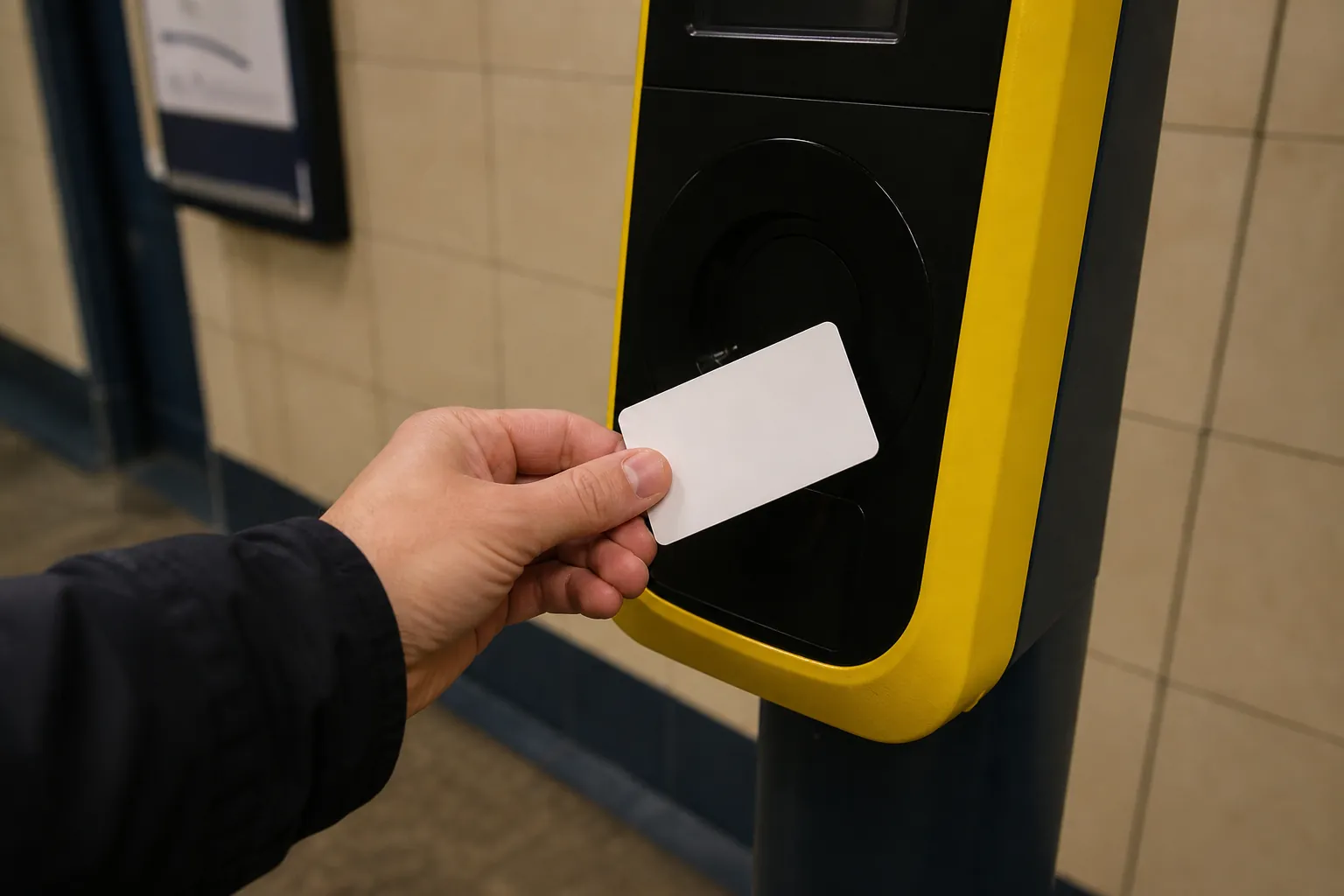
Some corridors sell paper slips from a machine on the platform and expect you to validate before boarding. Others use a tap on a pole beside the doors. Metro systems often place the check at a gate far from the car. Buses may still check at the front leaf. Assuming every city works like the last one you visited is how you board unpaid by accident.
Write the location down before you leave your room: machine, gate, pole, or front door. Then confirm it on site. A validator that worked last season may have moved. A machine may be out of paper on the morning you ride.
Fare before the doors is not a courtesy. It is the order that lets the car move and keeps you from arguing with an inspector in the aisle.
What to prepare before you reach the stop
- Know whether you need a paper slip, a plastic card, or a tap with a phone wallet.
- Have the media in hand before the car is visible, not buried in a bag at the leaf.
- Check whether a day pass must be validated once or on every boarding.
- Note a backup: a second machine on the same platform, or a staffed counter if the first is empty.
A short checklist at the platform
- Find the machine, gate, or validator that matches the mode you will board.
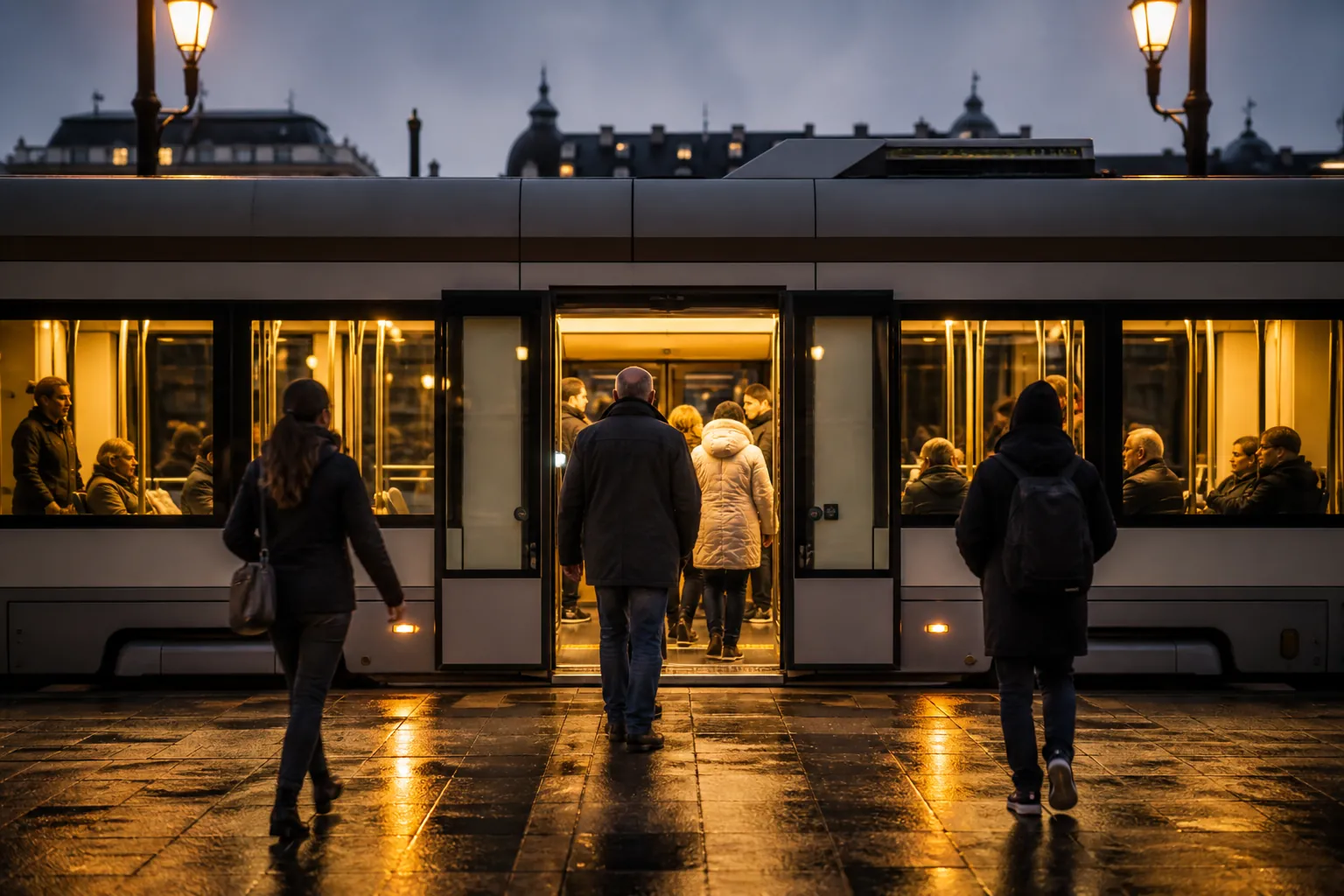
- Buy or top up if needed, then complete the tap or stamp before you join the door line.
- Keep the proof where you can show it without blocking the step: hand, outer pocket, or open pass holder.
- Board only after the check is done. If the validator rejects the media, step aside and retry before the doors open.
- Once inside, move clear of the leaf. Do not stand in the doorway while you check a receipt.
If the platform machine is empty, do not board hoping to pay later unless a clear notice says that is allowed. Walk to the next working machine or ask staff at the counter. Boarding without proof because the first machine failed is still your problem once the inspector arrives.
Inside the car: inspectors and locked doors
Some systems check randomly after boarding. Keep the same proof ready until you leave. Hiding a pass in a suitcase under seats is how a short ride becomes a long conversation. If doors lock during a short stop and you still need to validate inside, do it at the nearest pole without standing in the opening.
Children travelling with you usually need their own media or to be covered by the same pass rules as locals. Do not assume a small bag counts as proof. If you are unsure, ask at the counter before you reach the leaf, not after the inspector is already in the aisle. The goal is a calm boarding, not a debate in a moving car.
When the rule is unclear
Temporary gates, weekend events, and works can move a validator overnight. Read the notice on the stop and watch what locals do before you copy them. If two signals disagree, follow the posted sign, then confirm with staff if someone is present. A wrong guess at the door costs more time than one extra minute at the machine.
Schedules and fare layouts change between visits. Treat this page as a briefing on the order of actions, then confirm again on site before you ride. For a fare-check sequence written for the lines you will use, send the outline of your days through the contact page. We brief the order of actions. We do not sell passes or run a live map.