desmognath
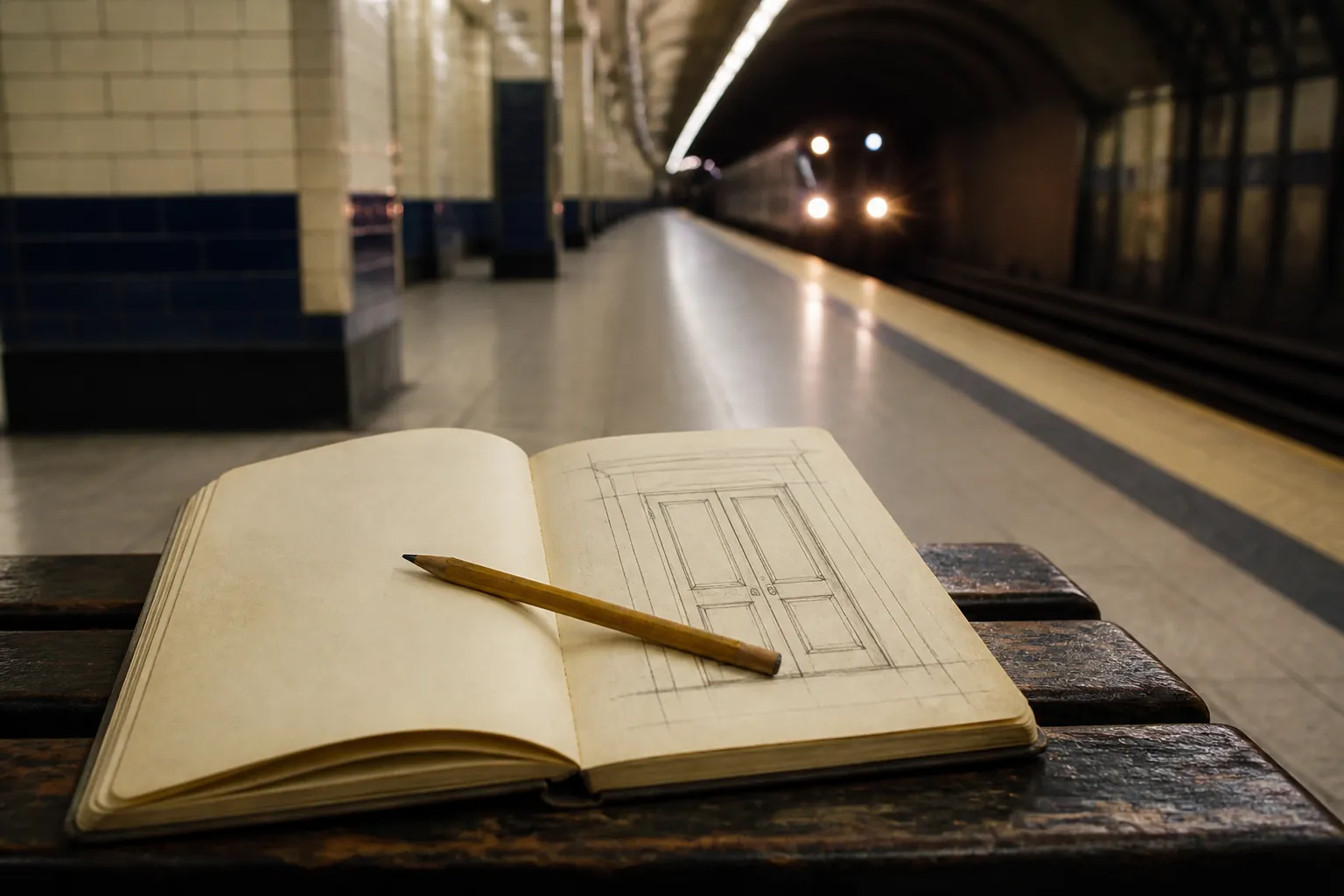
Open field notebook on a metro platform bench, pencil resting across a sketched door diagram, blurred train lights in the tunnel beyond, cool station tiles and warm notebook paper, 1920x1080

We write the transit stretch before you board

desmognath started from the same problem travellers keep describing: the map is clear, the order of actions is not.

This page explains how the project began, how we check notes before they become a briefing, how a trip plan moves from first question to a usable sequence, and which workshops we trust enough to compare observations with.

Origin

Why the vehicle became the subject

What kept going wrong

Early drafts of our trip notes treated the bus or tram as a line between two rooms. The advice was thin: buy a pass, find the stop, ride. Travellers still froze at the door, paid after boarding when the system wanted proof before the step, or stood in the leaf because nobody had written which door was for leaving.

The pattern repeated across cities with different maps and the same unspoken habits. Locals moved without thinking. Visitors asked the person next to them and got answers that assumed they already knew the rest of the sequence. We stopped treating transit as leftover time and started writing it as its own stretch of the visit.

What we chose to cover

We focus on buses, trams, metro lines, and light rail because they share a floor with people who are not on holiday. The value is not speed. The value is a calm first boarding: fare ready, working door known, standing place that can reach a rail, and a way to watch the stop when the speaker fails.

We do not sell tickets, operate vehicles, or promise a faster crossing. We prepare briefings and consultations so you can read the order of actions before you are in the aisle. That limit is deliberate. It keeps the page honest about what a site can and cannot do for you on the platform.

Editorial method

How a note becomes publishable

Every article or briefing starts with a ride one of us took. We write while the details are still sharp: which door opened, where the validator sat that week, whether the next-stop board matched the voice on the speaker, and how long a transfer actually took when the stairs were crowded.

A second person then rides the same corridor at a different hour or reads the notes against a partner workshop’s checklist. If the door rule, fare check, or platform layout has shifted, we update the draft before it leaves the desk. We keep the language plain. We do not polish a crowded car into a postcard.

When something cannot be confirmed on site, we leave it out. Guessing is how a first-time rider blocks a door. If a detail depends on a seasonal timetable or a temporary gate, we say so and ask you to check the notice board again before you board.

Published pages are reviewed again when we return to the same line. Schedules and door habits move. A briefing that was accurate last season can be wrong this week, so we treat older notes as history until someone walks the corridor again.

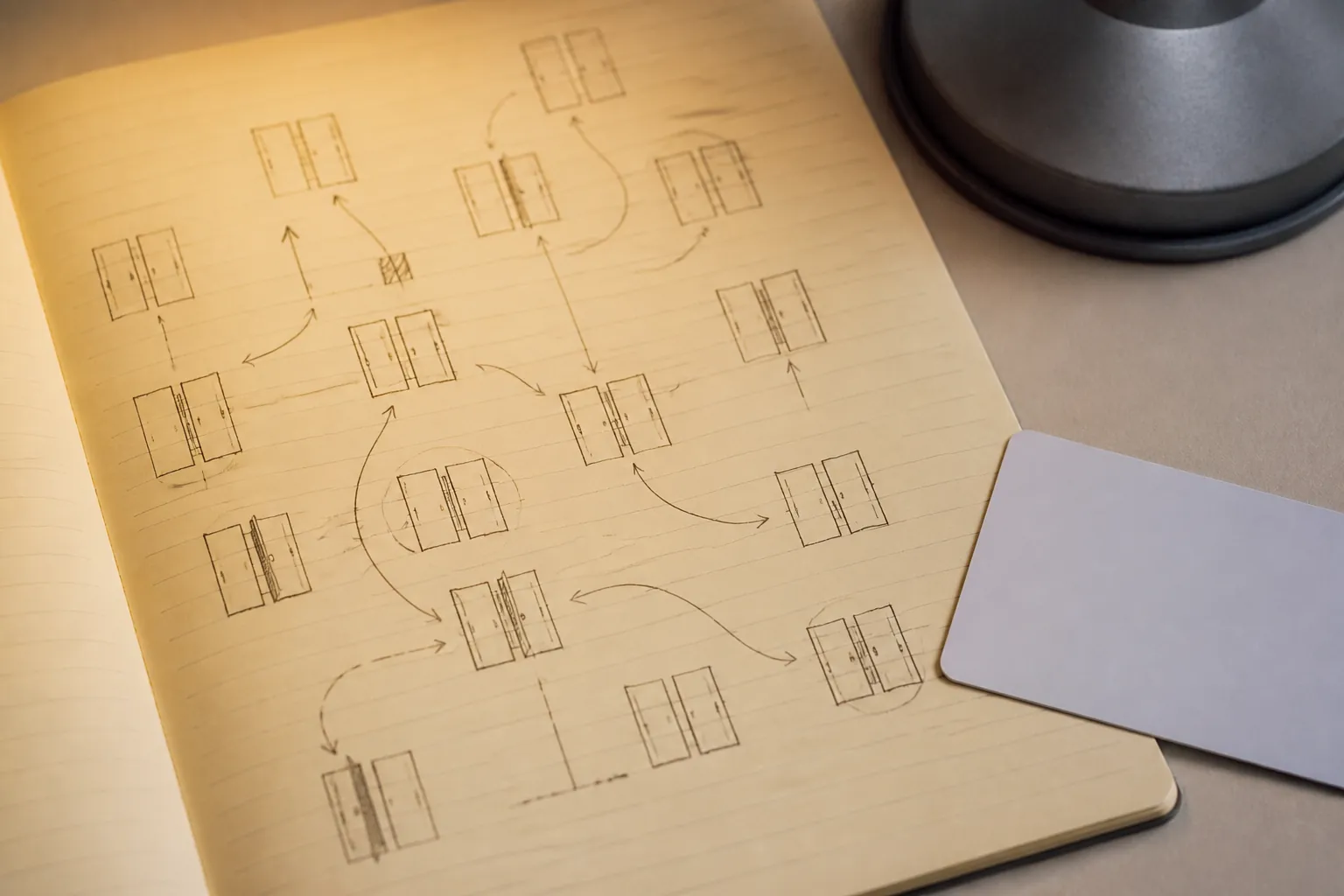
Close view of handwritten route notes on lined paper, arrows marking door positions and stop counts, a transit pass resting at the margin, soft desk lamp light, 1600x1000

Preparation

From first question to a usable sequence

A consultation is not a live map. It is a written order of actions for the lines you said you would use, built so the first ride stays short enough to learn from.

  1. You describe the days

    Tell us which stretches matter, how much you carry, whether a child is with you, and which hour you expect to ride. We ask for the outline of your days, not a wishlist of landmarks. Vague requests get a clarifying reply before we draft anything.

  2. We pick a first boarding

    The opening ride is short on purpose: four to six stops on a mode you can already see from the street. Peak metro during a shift change is a poor classroom. An off-peak tram with a readable board is a better one. Transfers come later, after that first exit works.

  3. You receive a sequence

    The briefing names fare before boarding, the working door, where to stand with a bag, how to watch the stop, and one transfer at most if you need it. We do not sell passes or book seats. We hand you a checklist you can read on the platform without guessing.

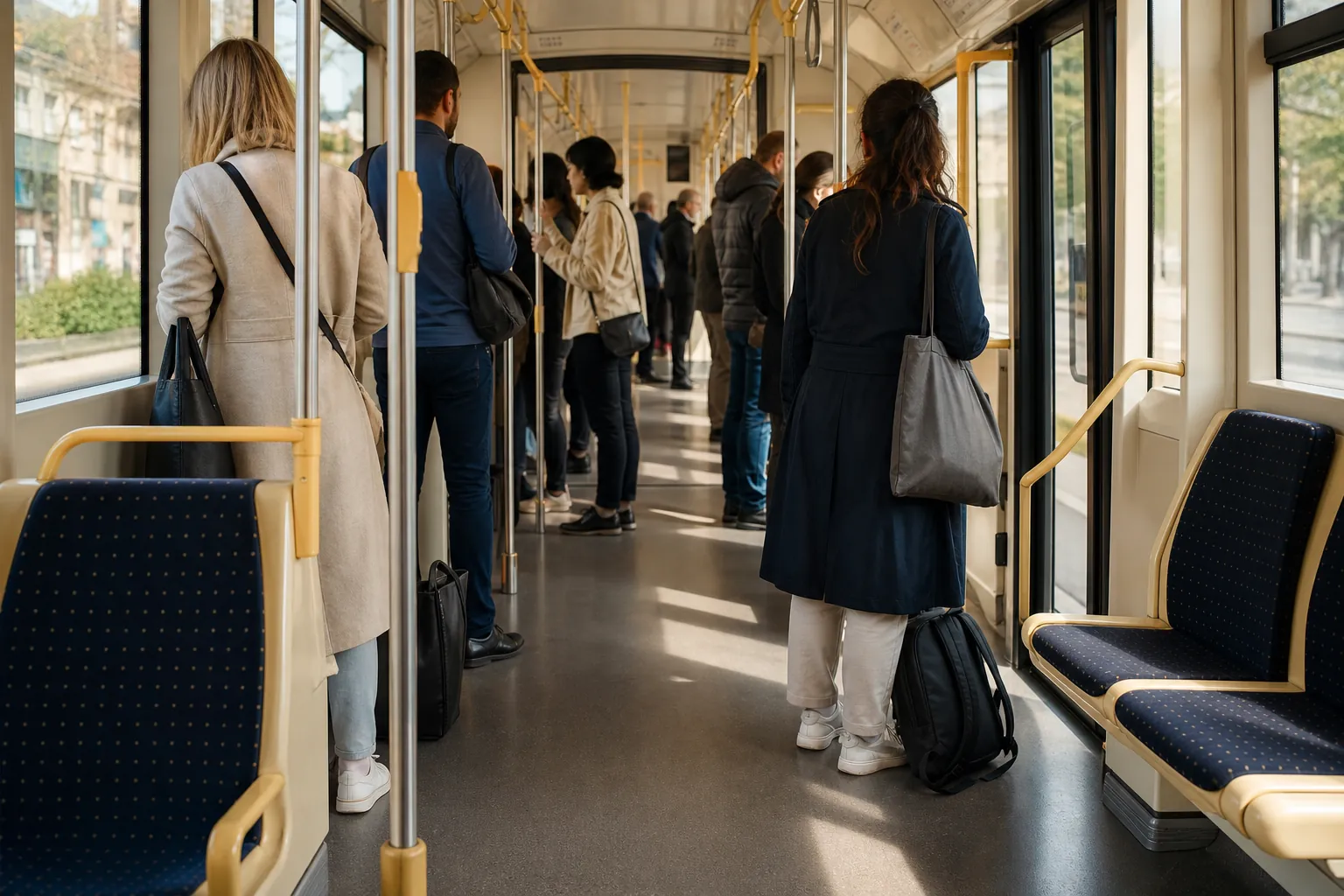
Shared tram aisle with standing passengers keeping bags at their feet, priority seats visible near the doors, soft daylight through tall windows, calm mid-morning density, 1600x1000

Ethics

Share the floor without taking it over

Respect the order already in use
Local riders learned the sequence as children. Blocking a door, paying after the chime, or placing a bag on a seat during a crowded run treats their habits as optional. We write courtesy as part of the briefing, not as decoration.
Ask without turning the car into a classroom
A quiet question at the stop is better than a loud rehearsal in the aisle. If you need help, ask one person once, then move. The vehicle is not a tour. People around you are going to work, school, or home.
Leave room for the next passenger
Stand clear of the leaf until those leaving are off. Keep cases between your feet. Sit only when standing is a choice, not a blockage. Priority seats stay free until someone who needs them arrives. Small choices keep the car usable for everyone who boards after you.
Confirm again on site
Operators change validators, lock doors during short stops, and rewrite platform notices. Our notes are a starting point. The board in front of you is the current rule. When they disagree, follow the place you are standing in.

Partners

Workshops we compare notes with

We do not treat every mobility brand as a source. Partners earn a place on this list by sharing field checklists we can verify on a ride, not by offering logos for display.

A partner who has never stood in the aisle during a crowded transfer cannot correct our door notes. We only keep relationships that survive a second ride.

That filter keeps Harborline Travel Study Group and Midland Mobility Workshop on our desk, and leaves glossy map publishers off it.

Harborline Travel Study Group

Shares boarding and fare-check checklists for corridors we revisit. We use their templates to double-check validators and door habits before a briefing leaves the desk. They do not sell rides through our site, and we do not sell theirs.

Midland Mobility Workshop

Focuses on first-boarding orientation for travellers carrying luggage or travelling with children. Their transfer timing notes help us drop connections that look short on a diagram and feel long on stairs.

Northbridge Transit Workshop

Provides passenger-practice review for standing space, priority seats, and bag placement. Elena’s field certificates come from this desk, and their critiques still shape how we write courtesy into a sequence.

How we choose

A partner must publish or share methods we can test on a real car. If their material only markets a map product, we decline. If their notes disagree with what we see on site, we keep our observation and ask them to revisit the corridor with us.

Need a briefing for your own days

Send the outline of your trip and the transit stretches that worry you. We reply with questions if anything is unclear, then prepare a written sequence. We do not operate vehicles or sell fare media.

Contact Us

Read the field notes

Articles cover fare checks, working doors, stop-watching when announcements fail, and transfers planned without a sprint. Each piece stands on its own and matches the tone we use in consultations.

Learn More

Reading notes and limits

desmognath provides knowledge about city buses, trams, metro lines, and light rail as part of trip preparation. The pages describe sequences we have observed and briefings we offer as consultations. They are written so you can understand how a vehicle is used, not so the site can stand in for local staff, operators, or a person standing beside you on the platform.

Schedules, door rules, fare checks, and platform layouts change between visits. A validator that worked last season may be moved. A door that opened on every car may lock during a short stop. Confirm details again with the operator and with notices on site before you ride. Do not treat a page on this site as a live instruction for the hour you step on.

Decisions about routes, timing, luggage, and whether to ride at all remain yours. If a plan depends on a tight connection, on travelling with a child, or on carrying more than you can hold while standing, sit with that risk before you leave. We can help you write a calmer sequence. We cannot take the ride for you.

This is a travel resource. It does not offer medical advice. Questions about comfort, motion, fatigue, or physical strain belong with qualified specialists, not with a page about boarding order. We do not claim that riding a bus, tram, or metro improves health, mood, or fitness.